Bill Pay
Winter Weather Advisory
Winter Weather & Natural Gas: What to Know
Winter weather can bring sleet, ice, and snow — which may cause power outages and delay non-emergency service calls. Here’s how natural gas appliances perform during winter storms and how to stay prepared.
Natural Gas During Power Outages
Natural gas is piped underground and rarely affected by storms. Many natural gas appliances can continue operating without electricity, including:
- Gas ranges*
- Natural gas logs (millivolt/standing pilot)
- Gas grills
- Gas space heaters
- Traditional storage tank water heaters (with standing pilot)
*Some gas ranges can be manually lit. Follow manufacturer instructions. Never use a range to heat your home.
Tankless Water Heaters & Freezing Temps
Tankless water heaters require electricity to ignite and will not operate during a power outage.
Freezing temperatures + no power = frozen external lines.
✔ If you have an external tankless water heater, drain it during a power outage in freezing weather to prevent damage.
👉 HOW-TO GUIDE
To help prevent frozen pipes in the home, let hot water drip from a faucet during extreme cold.
Natural Gas Logs = Reliable Heat
Gas logs with a millivolt (standing pilot) burner will continue to operate without power.
If you’re having trouble lighting or operating your logs, try our troubleshooting videos first — icy roads may delay non-emergency service calls.
👉 TROUBLESHOOTING VIDEOS
What Won’t Operate Without Power
- Gas furnaces (require blower)
- Tankless water heaters
- Appliances requiring electric ignition with no manual override
Generators
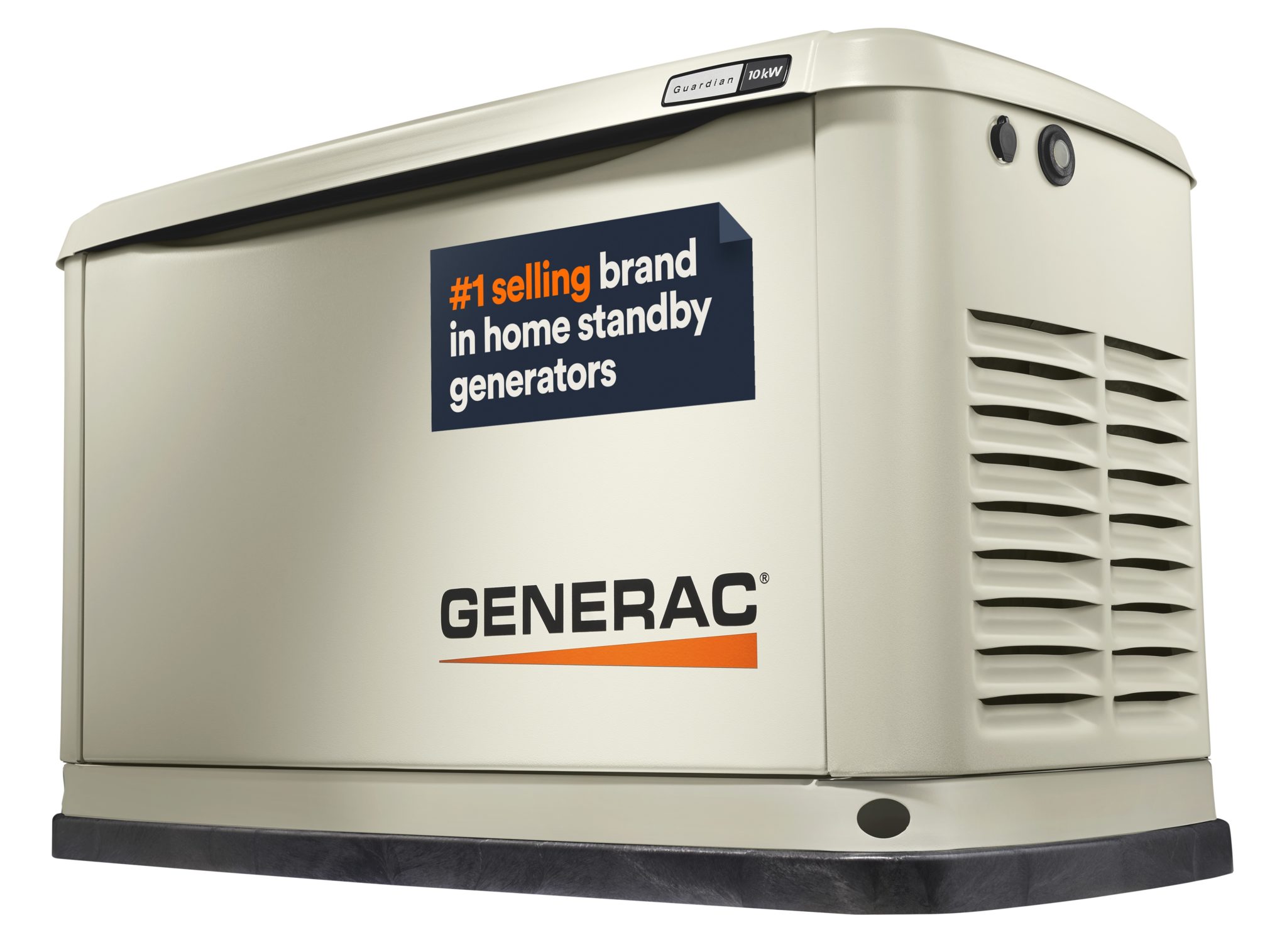
A natural gas standby generator automatically powers your home during an outage and shuts off when power returns.
For installations, contact our trusted partner:
Canter Power Systems — 866-390-8627
Safety Tips During Extreme Weather
✔ Keep appliance vents clear of snow and ice
✔ Keep meters free of blockage — do not pile snow around your meter
✔ Never grill indoors or under an overhang
✔ Use caution around fallen trees that may damage gas lines or meters
If you smell gas (rotten eggs/sulfur), leave immediately and call 911 and YCNGA.
Service & Emergency Response
When road conditions are unsafe, our crews respond to emergencies only.
Non-emergency service calls may be delayed for customer and employee safety.
Emergency number: 866-201-1001
After the Storm
- Inspect appliances for damage before use
- Do not attempt to turn natural gas back on yourself
- Do not operate appliances that have been flooded or damaged
- For pilot relights or appliance checks, call (803) 323-5304 or a qualified contractor
- If a generator ran for several days, check and change oil as needed

Call Before You Dig
Winter cleanup can involve fallen trees and digging. Roots may grow near underground utilities.
📞 Call SC811: 888-721-7877 before digging or tree removal.